Tribalscale
Overview
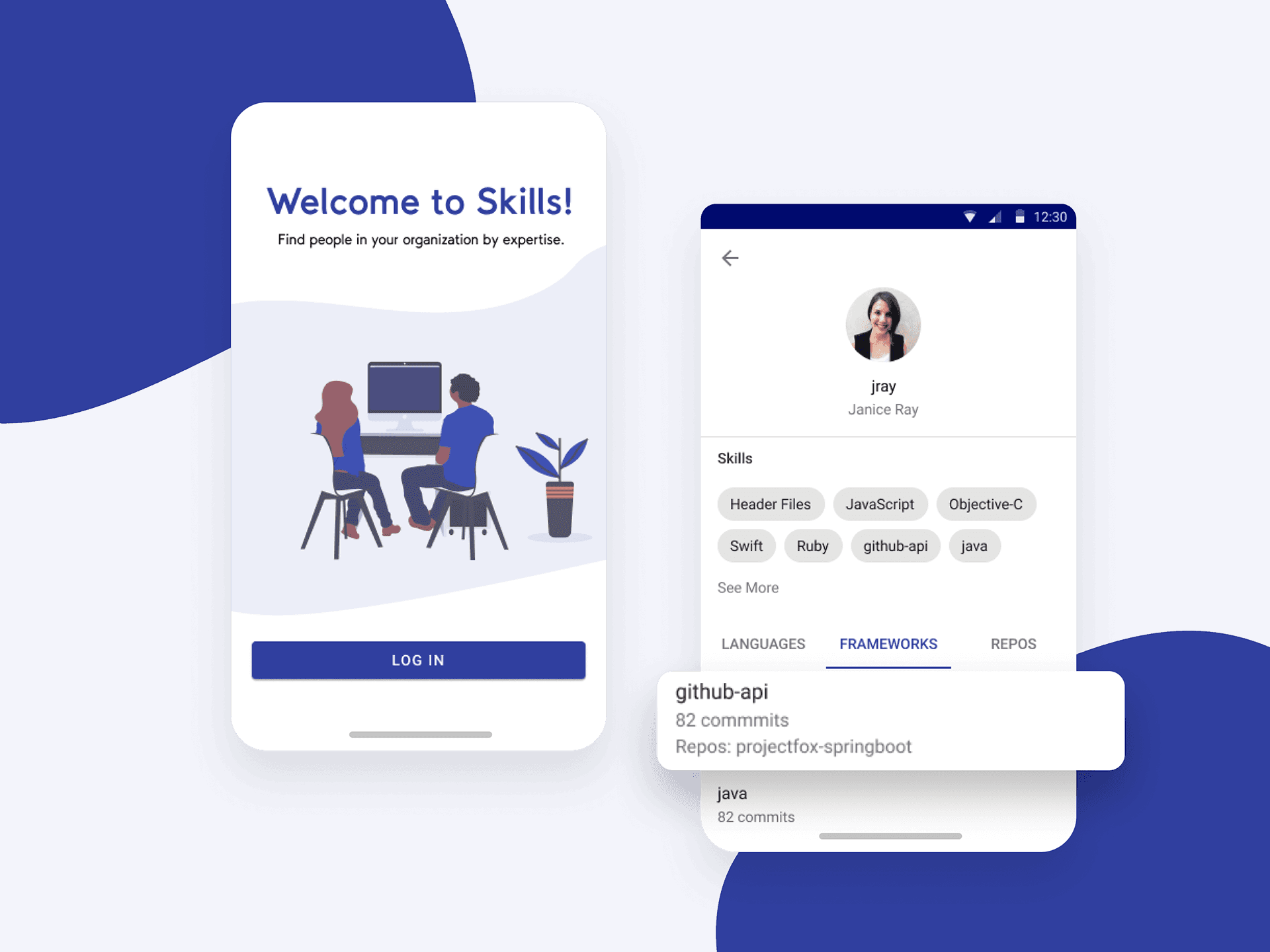
TribalScale's "Beach" program gives engineers time between client projects to explore something new and build their skills (similar in spirit to Google's 20% time). This project paired an Android lead looking to learn Material Design with a small team exploring a real internal need: helping managers staff projects by finding people with the right skills.
Resource allocation depends on knowing who in the organization has relevant experience and domain knowledge. Using existing GitHub data (languages, frameworks, repositories), we built a searchable directory in two weeks, choosing Android specifically as a learning opportunity for the team.
Research
Understanding the data first
The API documentation was reviewed to understand what back-end work had already been done for this project, what data was being pulled from GitHub, and how we might structure the content in the app based on this. Some of the data we had to work with included basic personal information, languages, frameworks, repositories, and lines of code. From speaking to engineers and stakeholders, the tool needed to:
Search for people by skill (language or framework)
Look up employee profiles showing detailed information on their skills and experien
From this, a clear picture emerged of what the tool could realistically surface. Rather than designing aspirationally, design decisions were grounded in available data to ensure the designs corresponded to something the API could actually deliver.
Designs
A searchable people directory filterable by language, framework, and repo
Find by skill
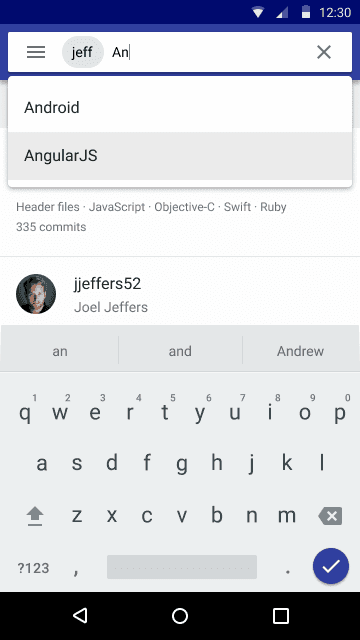
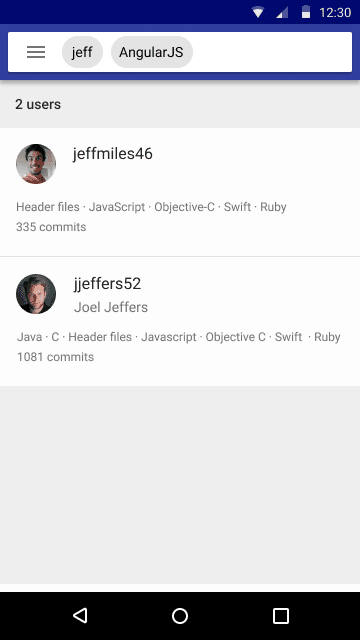
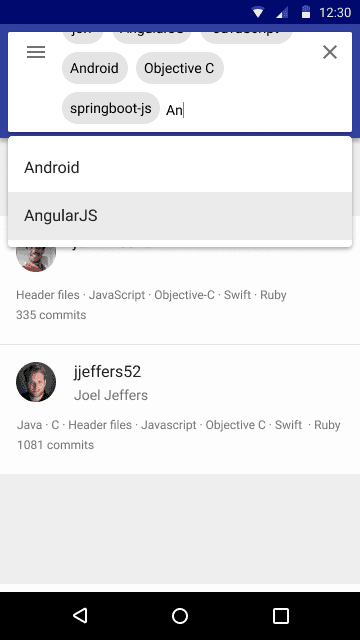
The primary use case was search. Entering a language or framework name, to find a filtered list of employees with that skill. The search result surface showed enough context (languages, commit counts, key repos) to quickly assess fit without needing to open a full profile.

The little things
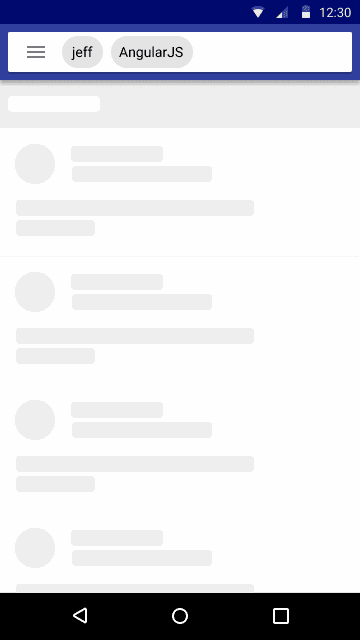
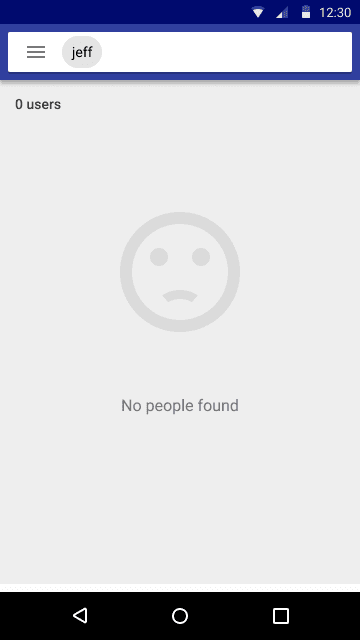
Even with limited time, we made room for loading skeletons, empty states, and a dark theme option.

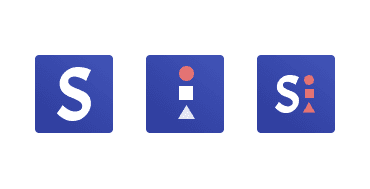
Exploring options for app icons
Impact
In two weeks, the team shipped a working Material Design app that gave managers a faster way to staff projects and gave the engineers hands-on experience with a new design system, the original goal of the Beach program itself.
Next Steps
As an exploratory Beach project, this stayed at MVP scope by design, but a few questions would be worth answering if it moved forward.
Usability testing would help validate whether the search experience actually matches how managers think about staffing.
Representing skill level meaningfully is a harder problem worth solving carefully, since lines of code alone aren't a reliable signal and varies by language and framework.
There's also an open question of whether this becomes a standalone tool, or integrates into existing allocation software like Mavenlink.